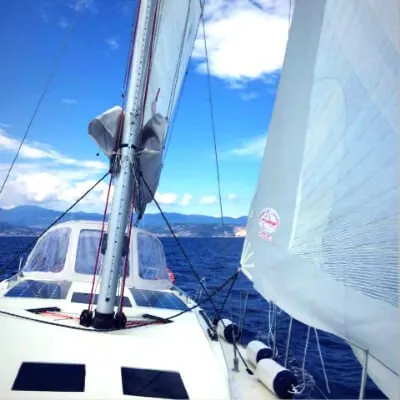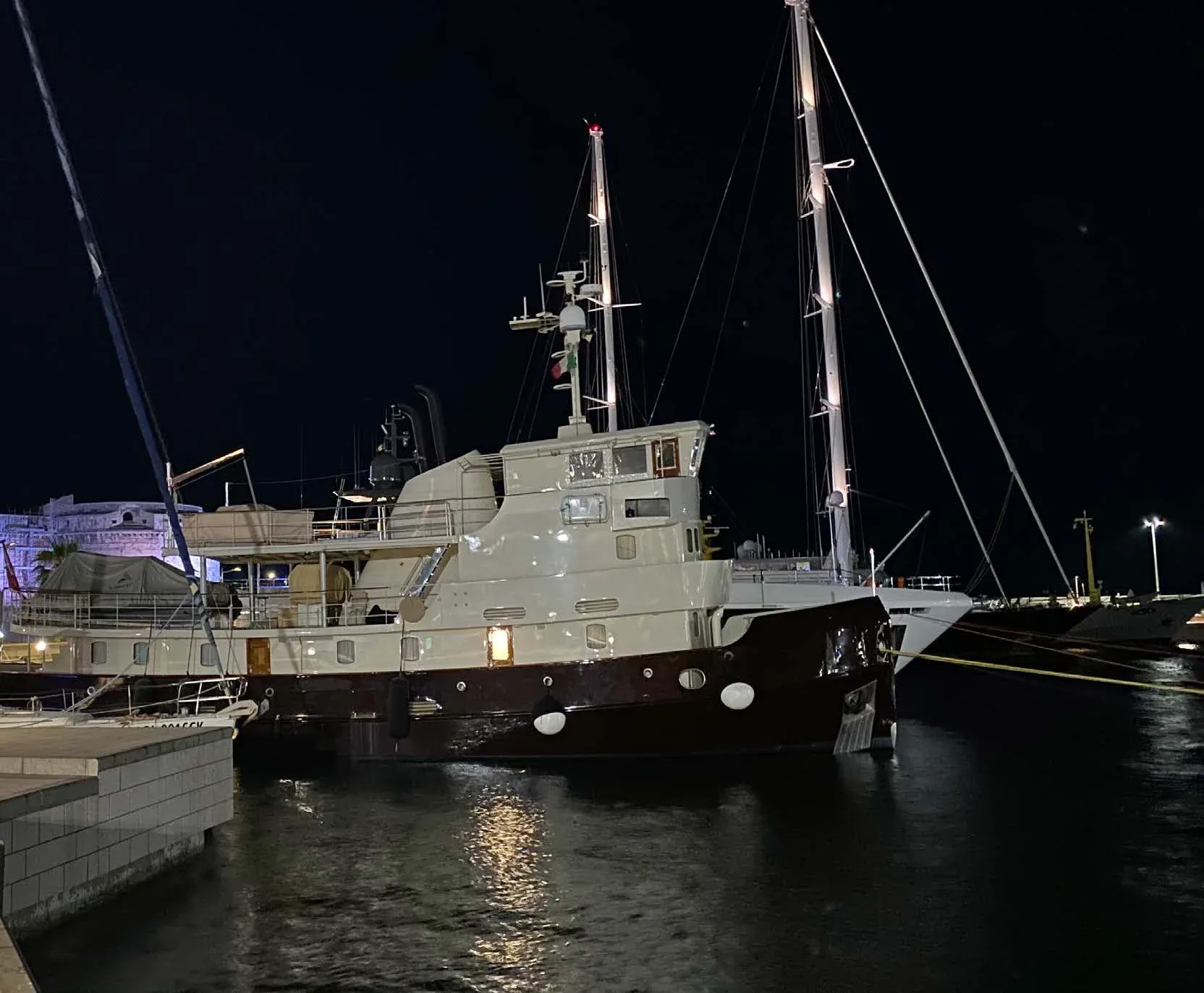
The Baltic, a 26-metre Norwegian tug launched in 1962, now runs an integrated platform management system (IPMS) built on HSYCO. Two fully redundant Strato Pi Max XL controllers from Sfera Labs, HSYCO’s sister company, supervise almost every system on board, from power generation to navigation, alarms and video.
The project was featured in the November 2025 issue of Raspberry Pi Official Magazine (issue 159, “Sfera Baltic boat”, by Rosie Hattersley). The supervision software the article refers to is HSYCO.
From working tug to automated yacht
The Baltic was taken out of service in the early 1980s. Its new owner set out to refit it as a yacht while preserving the original design, and asked Ulderico Arcidiaco, co-founder of Sfera Labs, to automate it.
Ships usually rely on standard PLCs for power management and a few automation tasks, with everything else handled by separate systems. For The Baltic, Arcidiaco chose an IPMS: a single integrated platform of the kind found on military units and very large commercial vessels.
“The new owner had the ambitious goal to fully refit the boat and transform it into a yacht, preserving the original design and heritage of the unit,” he told the magazine.
Built the traditional way, an IPMS would have cost far more than a vessel of this size could justify. Raspberry Pi-based controllers running HSYCO made it practical.
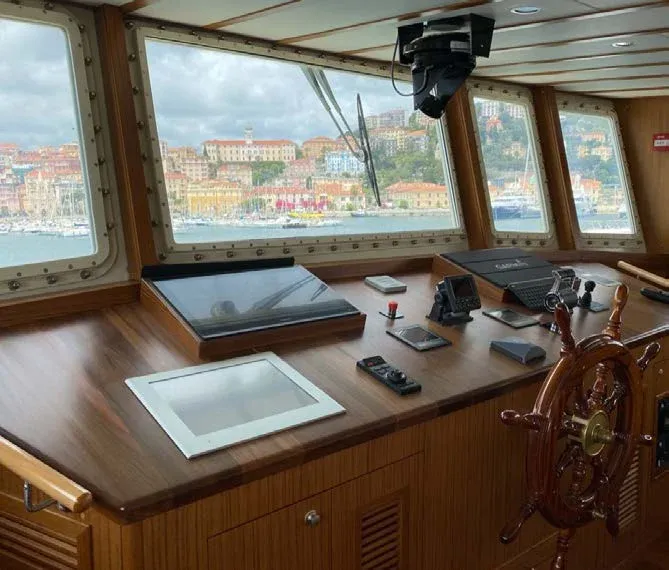
What HSYCO supervises on board
HSYCO integrates the ship’s core and supplementary functions in one supervision system:
- power generation and distribution, chargers, inverters and battery banks
- tanks and pumps
- navigation
- alarms, including fire alarms
- lighting
- stabilisers
- video from ten onboard cameras
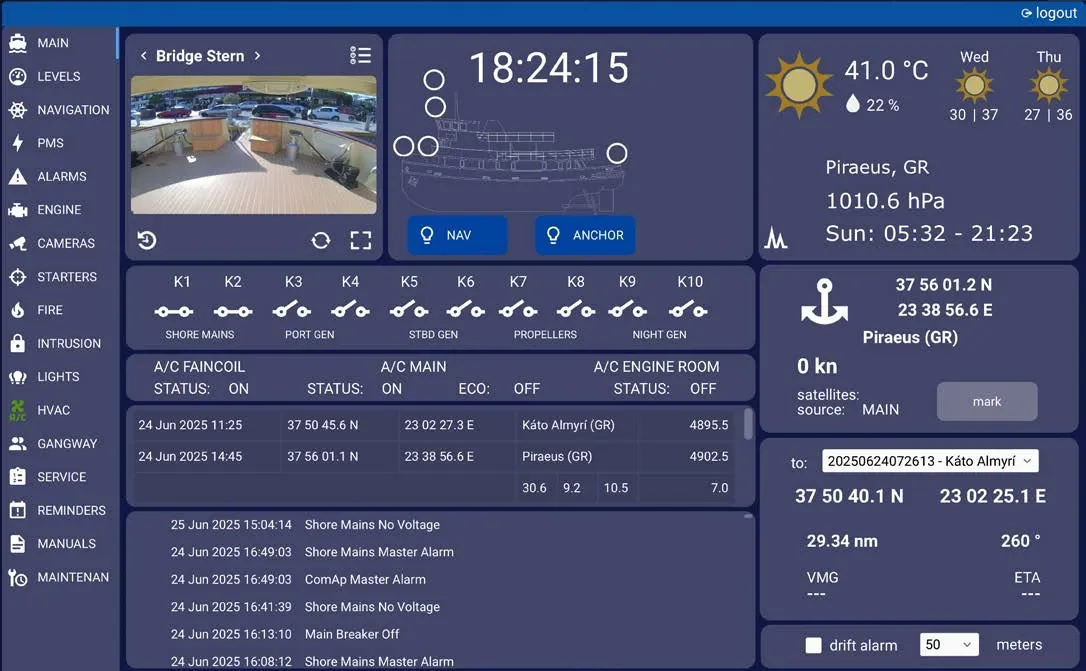
The menu of the interface reflects that scope: levels, navigation, power management, alarms, engine, cameras, starters, fire, intrusion, lights, HVAC, gangway, service and maintenance reminders, and onboard manuals.
The IPMS handles more than 4,500 data points that change quickly while the ship is under way. Fire and safety alarms are supervised and displayed in HSYCO alongside everything else; supervision does not replace the vessel’s dedicated, certified safety equipment.
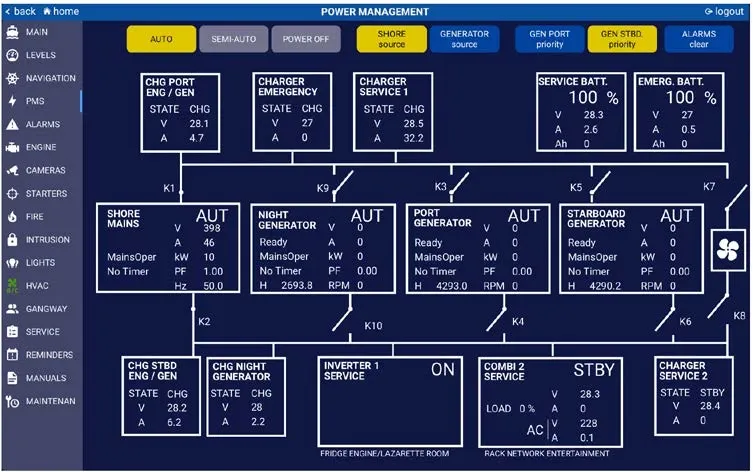
Three hardware generations, one supervision system
The installation has been upgraded twice since the refit began in 2021, each time on Sfera Labs hardware:
- 2021: Strato Pi CM Duo with Raspberry Pi Compute Module 3+.
- 2022: two Strato Pi UPS units with 4 GB Raspberry Pi 4B. “It was a plug and play replacement,” Arcidiaco said, and it gave a two- to fourfold increase in performance.
- 2025: two fully redundant Strato Pi Max XL units with Compute Module 5, 8 GB of RAM and a 480 GB SSD, now acting as the core IPMS processors.
The latest step delivered a fivefold jump in performance. The current setup is about 15 times more powerful than the original CM Duo, and runs at a CPU load of around 20%. That headroom matters on a ship: “When sailing, the amount of data that has to be processed and stored in real time is significant,” Arcidiaco explained, and new onboard systems keep being added.
Redundancy is part of the design. Two identical Strato Pi Max XL controllers improve failover, so supervision continues if one unit stops.
Why it matters for marine projects
The Baltic shows that IPMS-class integration is no longer limited to navies and large commercial fleets. A single HSYCO system on industrial Raspberry Pi controllers can bring power, navigation, alarms and video together on a smaller vessel, and grow with it as equipment is added.
To see how HSYCO is used on board, visit the Marine page. For the Strato Pi Max platform behind this installation, read The new HSYCO Enterprise.